Empowering Self-Sufficiency: Tips for Growing Your Own Food in Small Spaces
- HappyHippy

- Apr 1
- 4 min read
Updated: Apr 7
If you’ve ever thought, “What would I do if I had to rely on myself for food?” you’re not alone. Many people feel the urge to take control of their food sources but worry about not having enough space or resources. The truth is, you don’t need a farm or a large backyard to start growing your own food. Small steps can lead to big changes, and the process becomes rewarding and empowering.
Start Small and Simple
You don’t need a perfect setup or acres of land to begin. Many urban gardeners start with just a few containers on a balcony or windowsill. Here are some easy ways to begin:
Container gardening: Use pots, buckets, or recycled containers to grow herbs, lettuce, or cherry tomatoes.

Plant & Plot Galvanized Raised Garden Beds Outdoor

Rolling Garden Bed – 1.75' Mobile Metal Raised Garden Bed for Patio, Deck, Balcony

Galvanized Raised Garden Bed Outdoor for Vegetables and Flowers - Silver - L-Shaped

5-Pack 5 Gallon Grow Bags Heavy Duty 300G Thickened Nonwoven Plant Fabric Pots with Handles

5 Tier Vertical Gardening Stackable Planter for Strawberries, Flowers, Herbs, Vegetables
Window boxes: These are great for growing small vegetables and herbs where sunlight is available.

Wall Mounted Self Watering System White Flower Box with Bracket

Deck Balcony Railing Planter Window Boxes - 4 Pack 24 Inch Planter Box

Metal Iron Flower Pots for Railing Fence Hanging Bucket Pots
'

2 Set Artificial Outdoor Flowers with Hanging Baskets

5-Foot Window Box – Self-Watering, Weather-Resistant Planter for Flowers
Vertical gardening: Use trellises, hanging baskets, or wall-mounted planters to maximize space.

5-Tier Vertical Garden Bed Planter Boxes with Drainage System & Storage Space, Freestanding

4-Tier Wooden Vertical Planter with Wheels, 33.46" W x 17.11" D x 57.82" H

Arch Trellis | Garden Arbor fits 2' x 4' Elevated Planter Boxes for Climbing Plants, Vegetables and Flowers

Raised Garden Bed Planter Box with Trellis, 63''H Tomato Planters for Climbing Plants Vegetable Vine Flowers Outdoor Patio Tomato Cage, Self Watering Planter with Wheels

2 Set of 7 Tier Vertical Planter Stackable Tower Planters Strawberry Herb Flower and Vegetable Pots Indoor Outdoor Gardening
Starting small helps you learn what works best in your environment and builds confidence. Even a few plants can provide fresh ingredients and a sense of accomplishment.
Choose the Right Plants for Limited Space
Not all plants need a lot of room to thrive. Focus on varieties that grow well in containers or small plots:
Leafy greens: Spinach, kale, and lettuce grow quickly and don’t require deep soil.
Herbs: Basil, parsley, cilantro, and mint are compact and useful in the kitchen.
Root vegetables: Radishes and carrots can grow in deeper pots.
Compact fruiting plants: Cherry tomatoes and peppers do well in containers.
Selecting plants suited for your space means better yields and less frustration.
Fresh Eggs and Small Livestock Options
If you have a little outdoor space, raising chickens for fresh eggs is a practical step toward self-sufficiency. Chickens don’t need much room and can provide a steady supply of eggs. Some tips:
Start with a small flock of 3 to 5 hens.
Use a secure coop to protect them from predators.
Feed them kitchen scraps and garden waste to reduce costs.

83"L Large Chicken Coop with Run for 4–6 Chickens Wooden Backyard Hen House with Curved Roof, Peaked Run Top, 4 Reinforced Nesting Boxes

Chicken Coop Expandable Mobile Chicken House for Outdoor with Wheels, Nesting Box, Leakproof Pull-on Tray

Chicken Coop, 2-Story Large Wooden Hen House for 6-8 Chickens with 3-Nesting Boxes & 2-Easy Clean Pull-Out Tray, 2-Secure Vents, Foldable Ramp
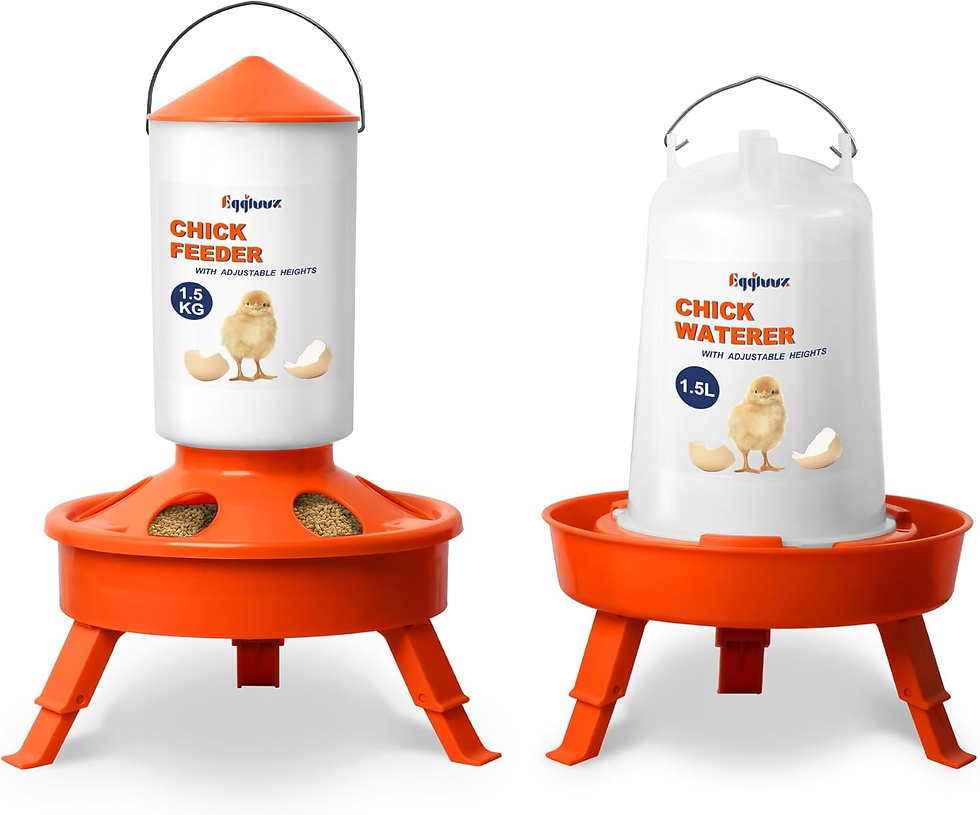
Chick Feeder and Waterer Kit

Premium Laying Hen Nesting Pads, USA Grown & Sustainably Harvested, 13 x 13
For those with very limited space, consider quail. They require less room and also lay nutritious eggs.
Storing Grains and Preserving Food
Growing your own food is just one part of self-sufficiency. Learning to store grains and preserve harvests extends your food supply and reduces waste.
Grain storage: Buy whole grains in bulk and store them in airtight containers in a cool, dry place. Proper storage can keep grains fresh for months or even years.

Food Storage Containers - Sealed Dog and Cat Food Storage Container, Fits up to 50lbs

Rice Storage Container, Collapsible Airtight 10-40 Lb Rice Storage Container,
Preserving: Learn simple methods like drying herbs, freezing vegetables, or making jams and pickles. These techniques help you enjoy your harvest year-round.
Preserving food also builds resilience against supply disruptions.
Practical Tips for Success
Start with what you like to eat: Growing food you enjoy encourages you to keep going.
Keep a gardening journal: Track what you plant, when you water, and how plants perform.
Use compost: Composting kitchen scraps enriches your soil and reduces waste.
Learn from others: Join local gardening groups or online communities for advice and support.
Every small step adds up. Over time, your skills and confidence will grow, making self-sufficiency more achievable.
The Empowerment of Growing Your Own Food
Once you start growing your own food, you’ll notice a shift. It’s not just about the food itself but the control and connection you gain. You understand where your food comes from, reduce dependency on stores, and often save money. The process teaches patience, responsibility, and creativity.
Even if your space is limited, the act of growing and preserving food can bring a sense of peace and accomplishment. It’s a practical way to prepare for uncertain times and improve your lifestyle.
This post may contain affiliate links. I may earn a small commission at no extra cost to you.


Comments